← All medications

Hormone health

Menopause care

Care for perimenopause and menopause, reviewed by a licensed provider and delivered to your door if approved.

$79 / 4 weeks Billed $237 every 12 weeks

Free online assessment. Full refund if a provider does not approve treatment.

Treatment options depend on provider evaluation and may not be appropriate for everyone.

Woman relaxing outdoors in golden sunlight, beneath trees and a blue sky
Realistic beige transdermal patchPatch
Baby blue tabletPill
White cream smeared across a surfaceCream

TREATMENT OPTIONS

Care that fits your needs.

Menopause care comes in different forms. A licensed provider reviews your symptoms and medical history to determine whether medication is appropriate and which option may be suitable.

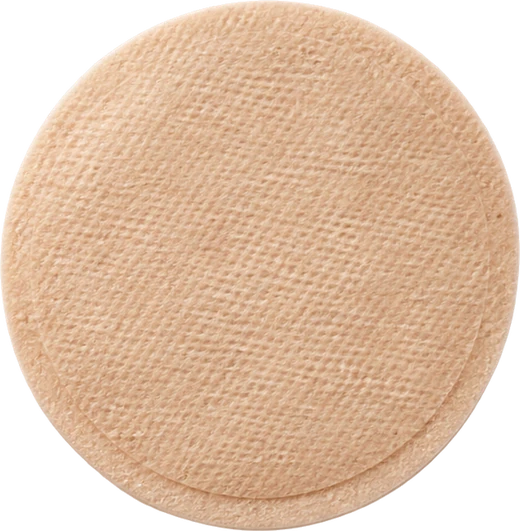
Circular beige transdermal patch

Patch

Hormones absorbed through the skin

A transdermal estrogen patch releases medication through the skin into the bloodstream. Systemic estrogen may help manage hot flashes and night sweats. Patches are typically changed on a schedule set by the prescriber.

If you have a uterus, systemic estrogen generally needs to be paired with a progestogen to protect the uterine lining.

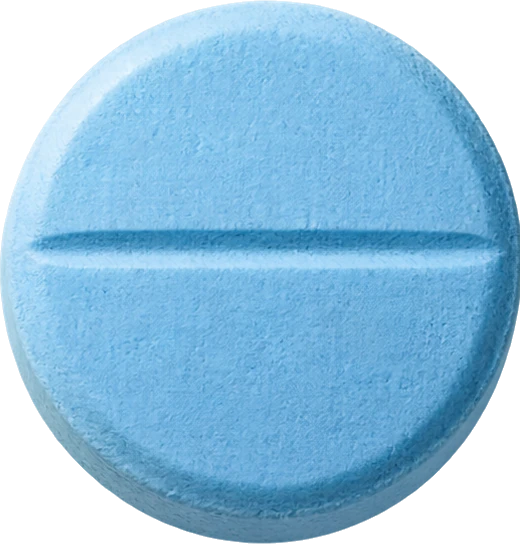
Blue oral tablet illustrating a pill treatment form

Pill

Medication taken by mouth

Oral therapy may involve estrogen, progesterone, or certain nonhormonal medications, depending on symptoms and health history. Some oral options help with hot flashes; progesterone may be used alongside systemic estrogen when appropriate.

The medication and dosing schedule depend on the prescription. The blue tablet shown is illustrative, not an identification of a specific drug.

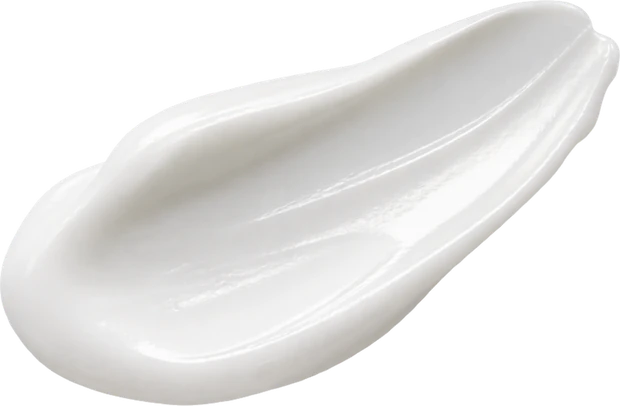
Realistic smear of white topical cream

Cream

Targeted treatment, depending on formulation

Prescription vaginal estrogen cream is applied locally to help address menopause-related vaginal dryness and discomfort. Other prescribed creams may have different uses, application sites, and absorption.

Local vaginal estrogen is not usually intended to treat hot flashes. Follow your prescriber's instructions for the specific formulation.

The images illustrate treatment forms only. Availability and suitability vary by prescription and provider evaluation; these forms are not interchangeable. Hormone therapy has risks and benefits that should be reviewed with your clinician.

Understanding menopause.

Menopause is a normal stage of life, not an illness. Most women reach it between ages 45 and 55, and the changes often begin years before.

52

Average age of menopause in the U.S.

7 years

Typical length of perimenopause, and it can last up to 14

12 months

Without a period is how menopause is confirmed

Many years

Hot flashes can continue well after your last period

  1. Often starts in your 40s

    Perimenopause

    The transition years before menopause. Estrogen and progesterone rise and fall unevenly, so periods can become irregular and symptoms can come and go. The transition usually lasts about seven years and can last as long as 14.

  2. Average age in the U.S. is 52

    Menopause

    The point when you have gone 12 months in a row without a period. Your ovaries have stopped releasing eggs and make much less estrogen. It is one moment in time, confirmed looking back.

  3. Every year after

    Postmenopause

    The years that follow. Some symptoms ease while others, like vaginal dryness, can continue. Lower estrogen also affects bone density and heart health, so ongoing care matters.

More than hot flashes.

Estrogen receptors are found throughout the body, so falling levels can show up in places you might not expect. You may have a few of these or many.

Hot flashes

A sudden wave of heat through the chest, neck and face, often with flushing and sweating. Each one can last from 30 seconds to 10 minutes.

Night sweats

Hot flashes that happen while you sleep, which can soak sheets and wake you up.

Irregular periods

Cycles get shorter or longer, heavier or lighter, and periods may skip months before they stop.

Sleep problems

Trouble falling asleep or staying asleep, even on nights without night sweats.

Mood changes

Irritability, anxiety, low mood or feeling less like yourself.

Brain fog

Forgetfulness, losing words or trouble focusing.

Weight and body changes

More weight around the waist and gradual loss of muscle, even with the same habits.

Joint and muscle aches

Stiffness and aches that were not there before.

Skin and hair

Thinner, drier skin and changes in hair texture or thickness.

Vaginal dryness

Less natural moisture, which can cause itching, irritation or pain during sex.

Lower sex drive

Less interest in sex, often tied to sleep, mood and physical comfort.

Bladder changes

Needing to go more often, leaking, or more frequent urinary tract infections.

What is changing.

The hormones behind it

Estrogen

Helps regulate body temperature, sleep, mood, bone strength, skin and vaginal tissue. When it drops, many of the most common symptoms follow.

Progesterone

Works alongside estrogen and is often the first hormone to decline. If you still have a uterus, estrogen therapy is paired with progesterone to protect the uterine lining.

Testosterone

Women make it too. Levels fall gradually with age rather than suddenly at menopause.

Why it matters long term

Bones

Bone loss speeds up in the years around menopause, which raises the risk of osteoporosis and fractures later in life.

Heart

The risk of heart disease and stroke rises after menopause, so blood pressure, cholesterol and blood sugar are worth watching.

Muscle and metabolism

Muscle mass declines and fat tends to shift toward the belly, which makes strength training and protein more important.

52

The average age of menopause in the U.S. Most women reach it between 45 and 55.

Source: National Institute on Aging
7.4 years

Median length of frequent hot flashes or night sweats among women who reported them in one large study.

Source: JAMA Internal Medicine
A woman in a blue shirt standing with her arms crossedHot flashesBrain fogMood changesTrouble sleepingLow energyNight sweatsVaginal dryness
Up to 14 years

How long perimenopause can last. For most women it is about seven.

Source: National Institute on Aging
12 months

In a row without a period is how menopause is confirmed.

Source: National Institute on Aging

How menopause is treated.

Hormone therapy

Replaces some of the estrogen your body no longer makes. It is the most widely studied treatment for hot flashes and night sweats. If you have a uterus, progesterone is added.

Non hormonal medication

Certain daily medications can be an option for women who cannot use hormones, such as after some cancers, or who simply prefer not to.

Lifestyle support

Sleep, movement, nutrition and avoiding personal triggers do not replace treatment, but they support everything else you do.

What your provider may prescribe

FormMedicationHow it is used
CreamEstradiol and progesteroneApplied daily
PatchEstradiol and progesteroneChanged twice weekly
PillEstradiol and progesteroneTaken daily
Pill, non hormonalParoxetine or desvenlafaxineTaken daily, for women who cannot or prefer not to use hormones

Every option is $79 per four weeks, billed $237 every 12 weeks. Your provider decides which treatment, if any, is right for you.

Is hormone therapy safe?

What the research says

For many healthy women, research shows the benefits outweigh the risks when therapy starts within 10 years of menopause or before age 60. In November 2025 the FDA began removing boxed warnings about heart disease, breast cancer and dementia from hormone therapy labels after reviewing the newer research.

Hormone therapy still has risks, including blood clots and stroke, and the right choice depends on your age, health history and family history. That is why a licensed provider reviews your full history before anything is prescribed.

It may not fit if you have

  • A history of breast or uterine cancer
  • A past blood clot, stroke or heart attack
  • Active liver disease
  • Vaginal bleeding that has not been checked by a clinician
  • A current or possible pregnancy

If hormones are not right for you, non hormonal options may be.

Habits that help.

Small, steady changes that support everything else you do.

Protect your sleep

Keep your bedroom cool and dark, wear light layers and keep a consistent bedtime.

Lift something heavy

Strength training two or three times a week helps protect muscle and bone.

Prioritize protein

Aim for protein at every meal to help maintain muscle as hormones shift.

Calcium and vitamin D

Both support bone health. Food first, and ask your provider about supplements.

Know your triggers

Alcohol, caffeine, spicy food and stress can set off hot flashes for some women.

Keep up with screenings

Blood pressure, cholesterol, mammograms and bone density checks matter more now.

When to talk to a provider.

If symptoms are affecting your sleep, work, relationships or quality of life, it is worth a conversation. Bleeding after menopause should always be checked by a clinician in person.

Menopause, answered.

What is the difference between perimenopause and menopause?

Perimenopause is the transition, when hormones rise and fall unevenly and periods become irregular. Menopause is one point in time: 12 months in a row without a period. Everything after that is postmenopause.

What are the first signs of perimenopause?

Changes in your cycle are often first, such as periods coming closer together, further apart, heavier or lighter. Sleep problems, mood changes and hot flashes can start around the same time.

How long do symptoms last?

It varies widely. Symptoms often last several years, and hot flashes can continue for many years after your last period.

Do I need a blood test to know I am in perimenopause?

Usually not. For women over 45, providers typically go by age, symptoms and cycle changes, because hormone levels swing from day to day. Testing may be used in some cases, such as when periods stop at a younger age.

Can I still get pregnant during perimenopause?

Yes. Pregnancy is possible until menopause is confirmed, so keep using birth control until 12 months have passed without a period if you do not want to become pregnant.

Is weight gain part of menopause?

Many women notice more weight around the waist and less muscle during this time. Hormone changes, aging, sleep and activity all play a role.

Can I treat perimenopause symptoms, or only menopause?

Both. Many women start care during perimenopause, when symptoms often begin. Your provider will look at your symptoms and history to decide what fits.

How long can I stay on hormone therapy?

There is no single cutoff. You and your provider review the benefits and risks at least once a year and adjust from there.

What happens if I stop treatment?

Some women find symptoms return after stopping. If you decide to stop, your provider can help you taper rather than stop all at once.

Do I need insurance?

No. KERNX menopause care is $79 per four weeks, billed $237 every 12 weeks, with no insurance required. Labs, if recommended, are paid separately.

Sources: National Institute on Aging; U.S. Food and Drug Administration.

How menopause care works

Hormone therapy and non hormonal options for perimenopause and menopause, prescribed online by a licensed provider who reviews your health history first. If approved, your medication ships to your door.

  • Reviewed and prescribed by a licensed provider
  • Refill check ins with your provider every 12 weeks
  • Shipped directly to your door
Get Started

Free online assessment. Full refund if a provider does not approve treatment.

What is menopause care at KERNX?

Menopause care is for women going through perimenopause or menopause. You complete an online assessment, and a licensed provider reviews your health history and symptoms to decide whether treatment is appropriate for you.

What could my provider prescribe?

Options include estradiol and progesterone as a cream, a patch or a daily pill, and non hormonal options (paroxetine or desvenlafaxine) for women who cannot or prefer not to use hormones. Your provider decides which treatment, if any, is right for you.

How does it work?

A licensed provider reviews your online assessment. Some states require a video visit, and your provider will schedule one if so. Every 12 weeks you complete a short refill check in so your provider can review how you are doing and adjust your treatment if needed.

How much does it cost?

$79 per four weeks, billed as $237 every 12 weeks. If a provider does not approve treatment, your payment is automatically refunded in full. No long term commitment, and you can cancel at any time.

Lab work is not included. If your provider recommends labs, they are ordered as needed and paid separately.

Is hormone therapy right for everyone?

No. Hormone therapy carries risks, including blood clots, stroke and certain cancers, and it is not appropriate for everyone. Your provider reviews your personal and family history before recommending treatment, and you can message your care team with questions at any time.