CompoundedSemaglutide
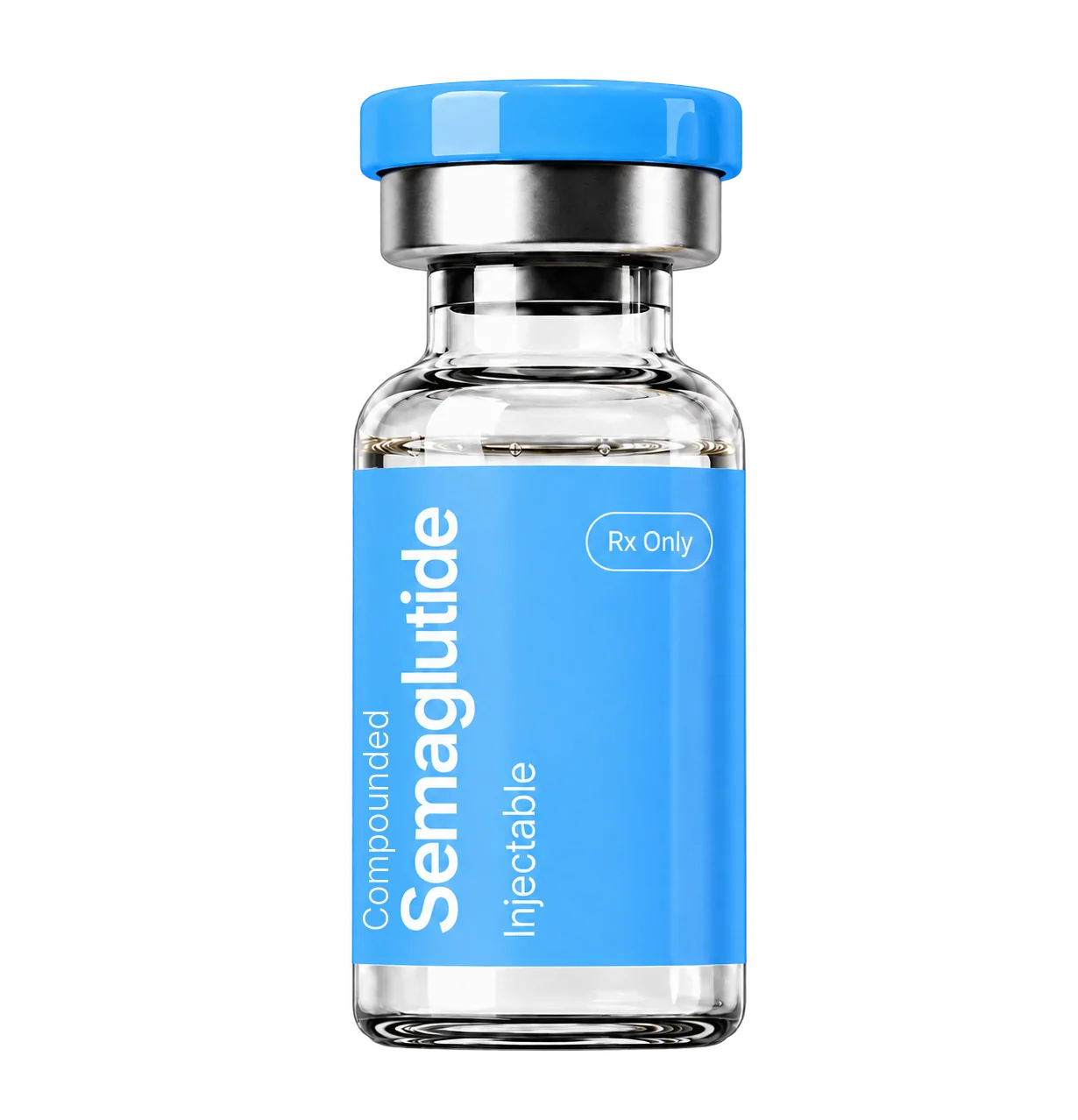
$209 / month
Same price at every dose.
WEIGHT MANAGEMENT
$209 / month
Same price at every dose.
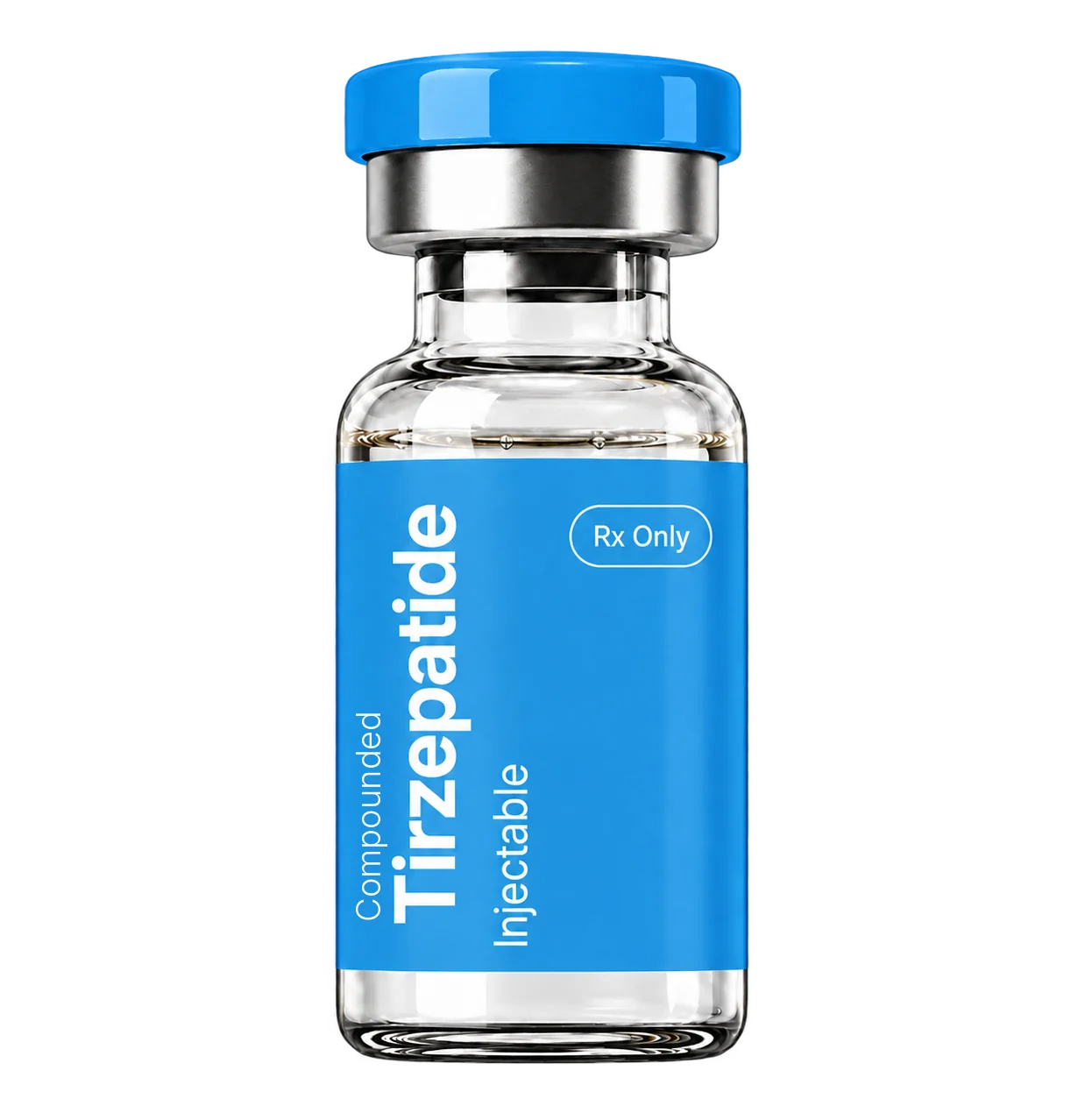
$299 / month
Same price at every dose.
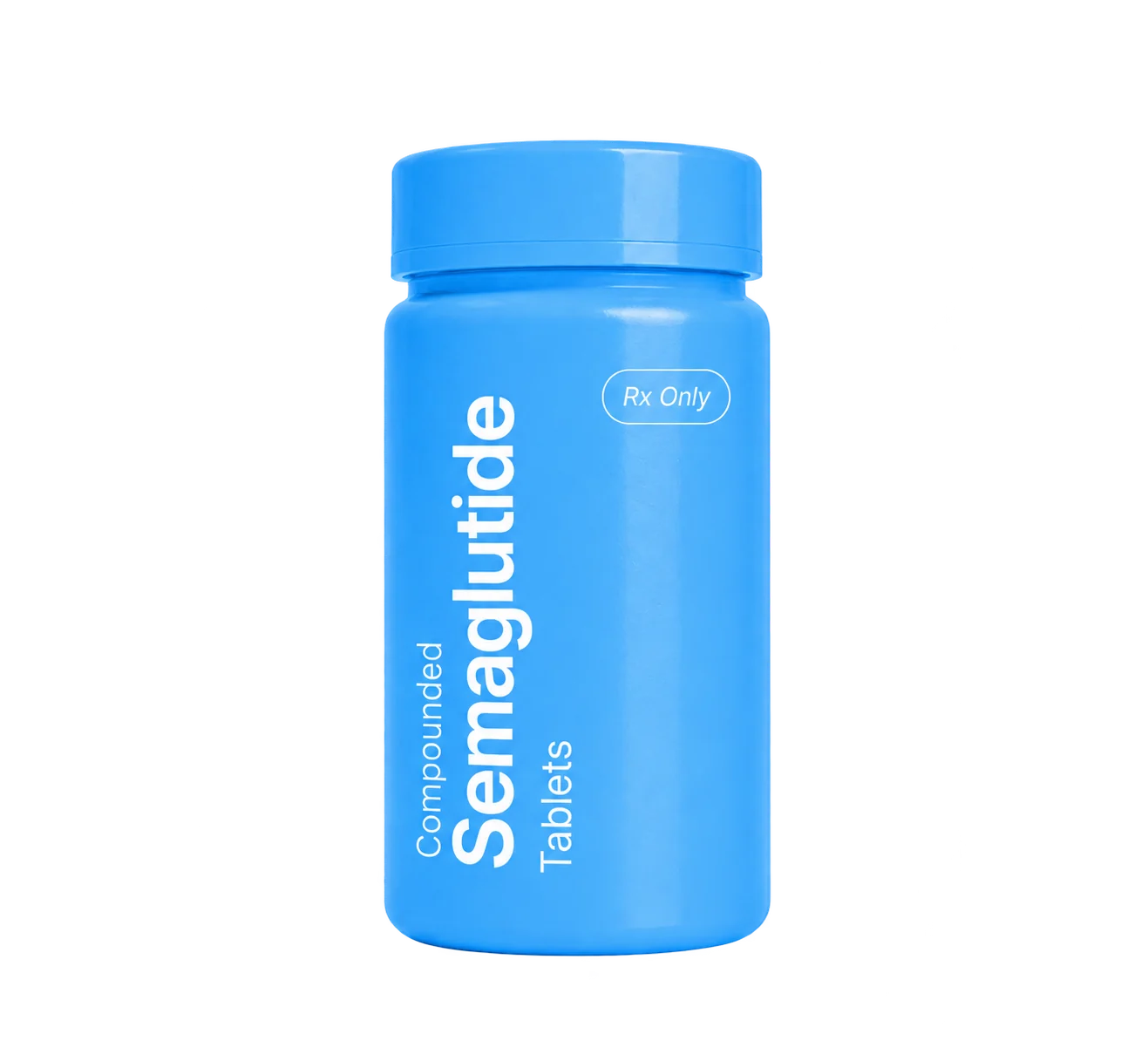
$279 / month
Oral tablet option.
Prescription required. A licensed provider reviews your health history and determines whether treatment is appropriate. Pricing and availability may vary.
LOWER DOSE OPTIONS
$179 / month
Lower dose plan.
$199 / month
Lower dose plan.
We offer 1 month, 3 month, 6 month and 12 month plans. Prescription required. A licensed provider determines eligibility and dosing. “Microdosing” is not a standardized FDA-approved dosing designation.
PERSONALIZED OPTIONS
Explore prescription options in different formulations. “Longevity” is a category label, not a promise of longer life or anti-aging effects. A licensed provider can explain what each product contains, the available evidence, and its risks for you.
$145 / month
Injection option.
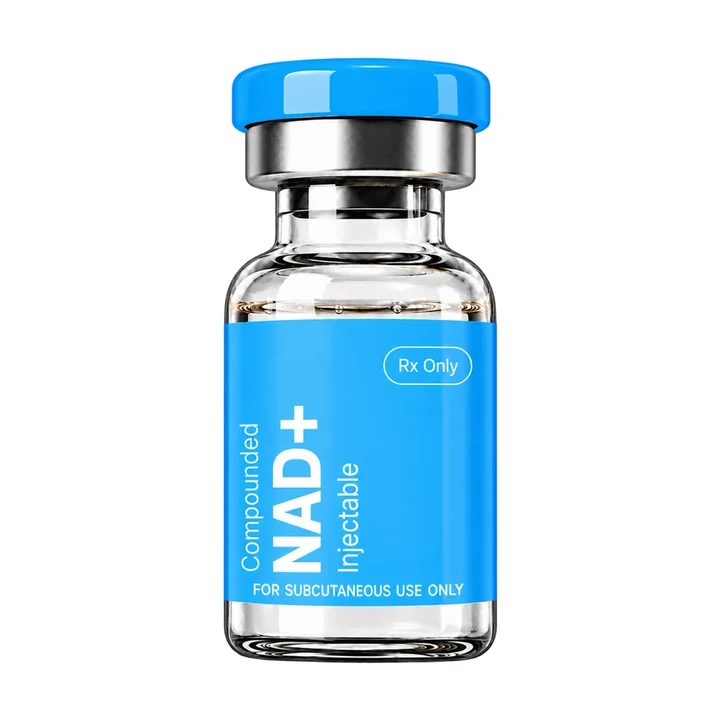
$229 / month
Injection option.
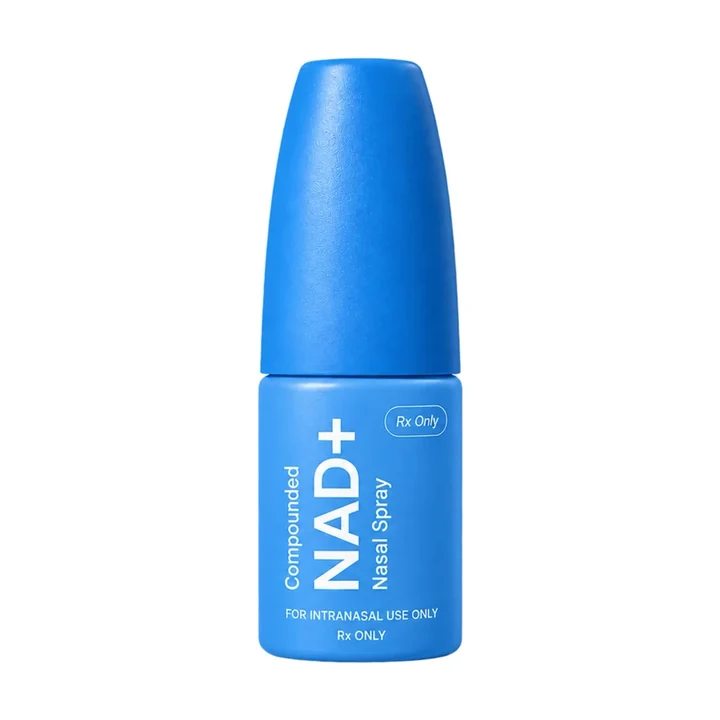
$229 / month
Nasal spray option.
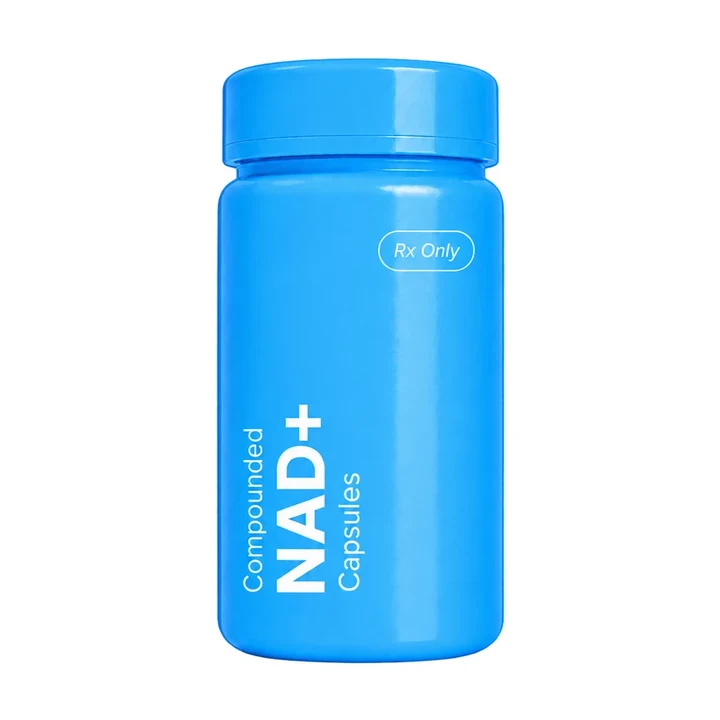
$229 / month
Oral capsule option.
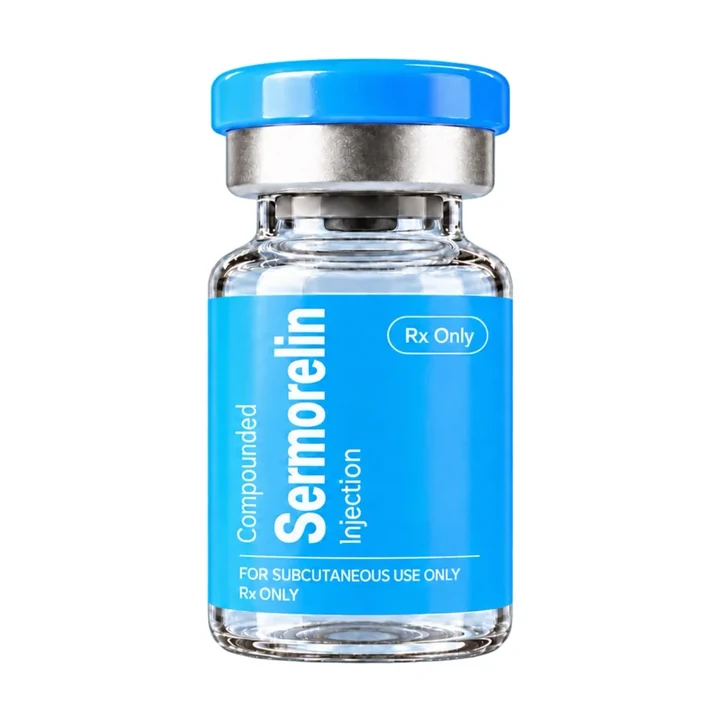
$229 / month
Injection option.
NAD+ injection safety: FDA has received reports of reactions after some NAD+ injections, including chills, shaking, vomiting, and fatigue. Ask your provider about product-specific risks and sourcing. Read the FDA safety update.
These products may be compounded and are not FDA-approved. A licensed provider determines whether treatment is appropriate for you.
Semaglutide and Tirzepatide belong to a class known as incretin therapies. They work with your body's own appetite and metabolic signaling.
These medications act on receptors in regions of the brain that regulate hunger and fullness. They also slow how quickly the stomach empties after a meal. Together, these actions are intended to help regulate appetite and fullness. Individual responses vary.
This is a clinical decision, not a menu choice. The provider reviewing your case weighs your health history, your goals, your tolerance, and your response over time. What suits one person may not suit another, and your plan can be adjusted as your body responds.
Both medications are typically started at a low dose and increased gradually. This titration approach gives your body time to adapt and helps reduce the likelihood and intensity of side effects. Your provider sets the schedule that fits you.

WHAT TO EXPECT
Most GLP-1 medications are given as a subcutaneous injection, meaning just under the skin into the fatty tissue. The needle is short and fine, and most people describe little more than a quick pinch.
The abdomen, the front of the thigh, and the back of the upper arm are typical areas. Your provider will confirm what is right for you and your medication.
Using a slightly different spot each week helps keep the skin comfortable and healthy. A simple habit, like alternating sides, makes it easy to remember.
Your care team provides clear instructions with your medication and is available for your questions. We want you to feel confident and supported.
If your provider prescribes semaglutide tablets, there is nothing to inject. Oral semaglutide is usually taken on an empty stomach with a small sip of plain water, and you wait before eating, drinking, or taking other medicines, because food can reduce how much is absorbed. Your prescription label and your provider will tell you exactly how and when to take yours.
This is general information, not medical advice. Always follow the specific instructions provided by your licensed provider and the medication itself.
Because these medications slow digestion, the most common side effects are gastrointestinal. For most people they are mild to moderate and tend to ease as the body adjusts, particularly when dosing is increased gradually under clinical guidance.
Nausea, reduced appetite, mild digestive changes, or feeling full quickly. These are most noticeable early and often settle with time and careful titration.
Persistent or severe symptoms should always be discussed with your care team. Your provider can adjust your dose or approach rather than leaving you to push through.
Your plan is not set in stone. Ongoing provider access means side effects are something your care team helps you navigate, not something you face alone.
These medications are prepared by a licensed 503A compounding pharmacy and require a valid prescription from a licensed provider. They are not appropriate for everyone, which is exactly why a licensed provider reviews your individual case before anything is prescribed.
These are powerful clinical tools, and the most responsible way to use them is with clear expectations. They are not a quick fix, and they work best as part of an approach that includes nutrition and movement. They typically require continued use to maintain their effect, and discontinuation can lead to changes that your provider will discuss with you.
KERNX believes you should understand your treatment as well as your provider does. The more you know about how these medications work and what they ask of you, the better positioned you are to use them successfully.
Pharmacy fulfillment: Prescriptions are fulfilled through the licensed dispensing pharmacy identified in your treatment and fulfillment information.
Boxed warning: risk of thyroid C cell tumors. In rodent studies, semaglutide and tirzepatide caused thyroid C cell tumors. It is not known whether they cause these tumors, including medullary thyroid carcinoma (MTC), in people. Do not use if you or a family member has had MTC, or if you have Multiple Endocrine Neoplasia syndrome type 2 (MEN 2).
Possible serious side effects include inflammation of the pancreas, gallbladder problems, low blood sugar, kidney problems, serious allergic reactions, and vision changes in people with type 2 diabetes. The most common side effects are nausea, diarrhea, vomiting, constipation, and stomach pain. Tell your provider if you are pregnant, breastfeeding, or planning a pregnancy, or if you have surgery planned.
Compounded medications are not FDA-approved and are not reviewed by the FDA for safety, effectiveness, or quality. A licensed provider determines whether treatment is appropriate for you.
Read the full Important Safety Information